Choosing the Right Size Pole Barn for RVs, Boats, and Big Toys
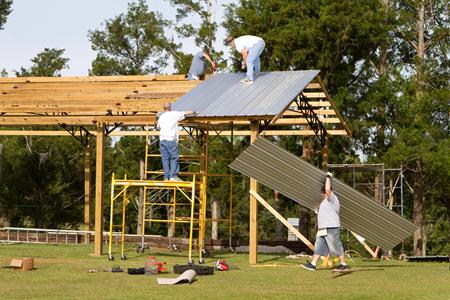
Planning a new pole barn in Wesley Chapel starts with one crucial decision: size. Get this right and your RV, boat, and weekend toys fit easily, stay protected from Florida sun and storms, and leave room to move.
If you’re weighing options, start by picturing how you’ll use the space today and five years from now. That’s where a purpose-built design shines, and it’s why many local owners review their storage needs before exploring pole barns that are tailored to their vehicles and gear.
Why Size Matters for Pole Barns in Wesley Chapel
Wesley Chapel sees intense sun, heavy summer rain, and the occasional tropical system. Your building should shield your investments while making daily life easier. The right dimensions keep doors from scraping, masts and ladders from catching, and mirrors from nicking columns when you turn in or back out.
Neighborhoods like Seven Oaks, Meadow Pointe, Country Walk, and Epperson often have narrow lots or HOA considerations, so a smart footprint and placement help you maximize space without sacrificing access. Focus first on the height and door strategy, then dial in width, length, and interior flow.
Measure the Big Toy First: RVs, Boats, and Trailers
Every project starts with a true measurement of what you’re storing, including anything that sticks up or out. Tape from the ground to the highest fixed point, and note anything removable that changes height, like a VHF antenna or rooftop A/C shroud.
RVs and Motorhomes
Measure overall height with rooftop gear, overall length including a rear bike rack or tow bar, and mirror-to-mirror width with the mirrors set for travel. Never size the door opening to match your exact vehicle height; leave safe clearance for slopes, suspension travel, and future changes. If you plan to add a satellite dome or a different A/C unit, plan that into today’s size.
Boats and Personal Watercraft
Measure the highest point with the boat on its trailer: T-top, radar dome, or bimini in the stowed position you’ll use for storage. Don’t forget motor tilt and transom savers; they change overall length. If you use a swing-away trailer tongue, note both lengths so you can choose how the boat sits inside.
Enclosed and Utility Trailers
Check tongue height and roof vents. Some trailer doors stand taller when open, so confirm interior clearance if you’ll load inside the barn. Consider the path you’ll take to back the trailer in and whether you need a wider center bay.
Height and Door Choices That Prevent Scrapes
Height is your first dimension because it limits everything else. In Wesley Chapel, many owners opt for a wall height that easily clears the tallest item, plus a cushion for upgrades. Then pick a door that matches how you’ll use the space.
- Roll-up doors: compact, simple, and great for daily in-and-out use
- Sectional overhead doors: wide, smooth operation, and easy to insulate
- Sliding doors: fewer moving parts, good for very large openings on broad bays
Also, think about where the peak sits. A centered ridge gives uniform headroom, while an offset ridge or attached lean-to can put the extra height where you need it most. Leave vertical headroom for ladders and step-stools so you can work on the roof gear without bumping rafters.
Width, Length, and Bay Layouts That Fit Today and Tomorrow
Once height and doors are set, dial in the footprint. A few inches here make a big difference when backing a long trailer or walking around a boat on a trailer.
- width: plan mirror clearance for RVs and space to open doors fully
- length: account for hitches, bike racks, and outboard tilt
- aisles: keep a comfortable path to move coolers, rods, or totes without shuffling gear
Multiple bays offer flexibility. You might keep the tallest bay in the middle for the RV, with standard bays on each side for the boat and tools. A lean-to can cover kayaks, lawn equipment, or a fish-cleaning table without crowding the main storage area. If you think you’ll upgrade to a larger RV or center console later, add size now so you don’t outgrow the building after one big purchase.
Site, Weather, and Wind Considerations in Wesley Chapel
Local weather shapes good design. Afternoon downpours and sandy soils mean drainage and splash control matter. Plan roof overhangs, gutters that move water away from doors, and a pad that sheds water to safe areas of the yard. Cross-ventilation or mechanical ventilation helps control heat build-up and humidity, especially in summer.
Think about your approach path from the street. On curved cul-de-sacs or tighter lots, a slightly wider door or a longer apron in front of the building can make backing much easier. For sites with wind exposure, talk about hardware and bracing that improve door stability when afternoon storms roll through.
Smart Storage Add-Ons That Keep Gear Ready
Size is more than the shell. Plan the inside so it works the way you live. Consider:
- lighting and power: bright LED lighting, a few 120V wall outlets, and a dedicated 30A or 50A RV receptacle if you’ll plug in
- ventilation: ridge and eave vents or fans to move heat out and keep humidity in check
- storage: wall racks for rods and paddles, overhead shelves for totes, and corner cabinets for tools
- surface protection: durable floor coatings and mats under engine bays to keep spills easy to clean
- security: quality locks, well-placed lights, and smart cameras aimed at doors
Owners storing boats often add a freshwater spigot just outside to rinse trailers and brakes after saltwater trips to the Gulf. RV owners like a small bench and charging area for battery tenders, radios, and handheld lights.
Real-World Sizing Scenarios
Every setup is unique, but patterns repeat. Here are common ways Wesley Chapel owners size their buildings without overdoing it:
For a motorhome and a pair of personal watercraft, plan one tall center bay with the RV plugged into a dedicated receptacle. Flank it with lower bays for the trailer and tools, and keep a clear aisle beside the RV so you can extend a slide for cleaning or maintenance.
For a bay boat with a T-top and a lifted truck, choose a door that clears the T-top comfortably and give yourself a wide apron outside for easy backing. Inside, allow walk-around space at the bow and stern so loading coolers and gear doesn’t feel cramped.
For a fifth-wheel and a daily driver, keep the main bay tall and long enough for the hitch and any future rooftop changes. Add a side bay with a standard overhead door for the SUV, with wall-mount storage to unlock floor space.
Common Sizing Mistakes To Avoid
It’s tempting to choose the smallest footprint that fits on paper, but it can create headaches in daily use. Skipping extra door height or aisle width leads to tight turns, scraped trim, or banged knuckles. Underestimating humidity can leave boat cushions clammy and tools spot-rusted by fall.
Watch for sloped driveways that steal clearance at the door. A few degrees of incline can bring spoilers, A/C shrouds, and radar domes closer to the header than your tape suggested. If you’ll tow in or out with a different vehicle, check that turning circle too.
Planning Around HOAs and Neighbor-Friendly Design
Many Wesley Chapel communities value tidy curb appeal. While requirements vary, simple choices like matching roof color to your home, adding trim, and placing the building where it’s partly screened by trees can keep everyone happy. If your neighborhood has guidelines, review them early so design choices, door style, and building height align with expectations.
Your Path From Idea to Turn‑Key
Here’s a straightforward way to move from measuring tape to move-in day:
- List what you’re storing now and what you may add within five years
- Measure height, width, and length for each item, including anything that folds or tilts
- Choose door types and opening sizes based on how often you’ll use each bay
- Map the approach path from street to door, noting slopes and turn angles
- Plan ventilation, lighting, outlets, and storage that fit your routine
If you’re just getting started and want examples and layouts specific to your lot, review options for pole barns and note which configurations match your vehicles and gear. For a broader background on the craft and materials, you can also explore post-frame construction to see how the building system adapts to different needs.
How BARN DIRECT LLC Helps You Size It Right
Choosing size is easier when you can review real buildings and walk through door heights, aisle widths, and bay layouts. Our team looks at your measurements, approach angles, and storage goals, then recommends a design that fits your RV, boat, and future upgrades without wasted space.
We’ll help you think through airflow, shade, and water control for Wesley Chapel’s hot, rainy months, along with practical add-ons that make daily use simple. When you’re ready, we’ll guide you through the next steps and coordinate a smooth process from layout to finishing touches.
Want a building that fits the first time? Start a quick conversation about sizing and layout for your property, or schedule a site look. We’ll show you proven ways to get safe clearances, better airflow, and storage that feels effortless.
Ready to protect your RV, boat, and big toys the right way? Call BARN DIRECT LLC at 352-942-0213 to start your custom plan today. Your storage deserves space that’s simple to use, easy to maintain, and built for Wesley Chapel’s weather.
Let's Get Started
Contact Our Pole Barn Builders In Wesley Chapel Today!