Open vs. Enclosed Pole Barns in Florida: Which Style Fits Your Property Best?
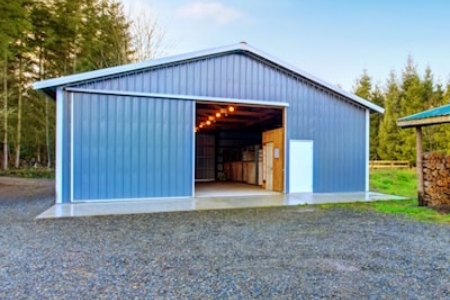
Trying to decide between an open vs enclosed pole barn in Florida? Start with how you use your property and how our weather treats it. This guide breaks down benefits, tradeoffs, and where each style shines so you can choose with confidence.
If you are comparing options, review what matters most to you: airflow, privacy, weather protection, and long-term plans for the space. For a deeper look at layouts and features, explore pole barns from BARN DIRECT LLC and see how each style handles daily life in the Sunshine State. If you want a quick overview first, here’s a fast side‑by‑side.
Open vs. Enclosed Pole Barn in Florida: Quick Comparison
- Open pole barns: Excellent shade and ventilation, fast access for vehicles and livestock, simple to keep clean. Less privacy and security, and rain can blow in during storms.
- Enclosed pole barns: Strong protection from windblown rain, pests, and sunlight with added privacy and security. Needs planned ventilation and lighting, and doors change how you move in and out.
Think about what will live inside the barn most days of the year. Boats, tools, and hobby gear often prefer enclosed walls and lockable doors. Hay, tractors, and daily in‑and‑out equipment are usually happier in open shade with lots of breeze.
What Is an Open Pole Barn?
An open pole barn uses posts and a roof with one or more sides open. It delivers shade and airflow that help fight Florida heat and humidity. Owners across coastal counties like Pinellas and the Panhandle appreciate how open designs let salt air move through while keeping sun off boats, tractors, and trailers.
Open barns shine when you need quick access. Park a center console after a weekend on the Gulf, back in a mower, or stage hay and bedding. Airflow helps reduce moisture buildup around gear that would otherwise feel damp after afternoon thunderstorms.
What Is an Enclosed Pole Barn?
An enclosed pole barn wraps the frame with walls and doors for security, privacy, and better control of dust and pests. In Florida, this style is popular for tools, classic cars, hobby workshops, and household storage. With insulation and ventilation planned from the start, you can manage heat more easily and keep valuables out of sight.
Many owners choose large roll‑up or sectional doors to keep move‑in/out simple. Skylights or translucent panels add daylight without opening the structure. If you want a space that feels tidy, quiet, and protected, enclosed is the safer bet.
How Florida’s Climate Shapes Your Choice
Florida brings intense sun, long humid seasons, and fast‑moving storms. Along the Gulf and Atlantic coasts, wind‑driven rain can arrive sideways. Central and North Florida see frequent summer downpours. Your site’s exposure matters as much as your storage list.
- Sunny, breezy sites: Open barns reduce heat build‑up and feel cooler during summer chores.
- Storm‑exposed or coastal sites: Enclosed barns help block windblown rain and protect finishes from salt spray.
Plan for drainage, gutters, and splash control around doors and traffic areas so heavy rain does not pool where you park or walk.
Best Fits by Use Across Florida
Every property is different, but patterns are clear. The goal is comfort, protection, and easy routines that match how you live.
Consider these common fits:
- Boats and personal watercraft: Enclosed with tall, wide doors limits salt spray and sun. Open with a lean‑to can work for frequent rinsing and fast access.
- RVs and travel trailers: Enclosed gives privacy, lockable storage, and places to stage tools. Open can work if height and drip control are planned.
- Livestock and daily equipment: Open provides shade, air movement, and simple in‑and‑out paths.
- Home workshop, hobby space, or gym: Enclosed keeps dust down and tools secure, with better control of noise and light.
Still weighing access against protection? This overview pairs nicely with a real‑world perspective in our article on do‑it‑yourself vs professional installation.
Design Options That Bridge the Gap
You are not locked into one extreme. Many Florida owners choose hybrid features that make open barns feel more protective and enclosed barns feel more open.
Popular cross‑over ideas include large roll‑up doors that open wide for breeze and visibility, generous roof overhangs that keep rain off doorways, and attached lean‑tos for shaded, quick‑access storage. Mosquito‑resistant screening and ridge‑and‑eave ventilation help manage pests and condensation in both styles. Small choices in doors, overhangs, and vents make a big difference in day‑to‑day comfort.
Site Planning Matters in Florida
Set your expectations based on your lot and neighborhood feel. Shaded lots under oaks benefit from open airflow to reduce mildew. Wider suburban lots welcome enclosed walls that match the house color and trim. Rural properties often pair an open bay for tractors with an enclosed bay for tools and spares.
On narrow side yards or cul‑de‑sacs, think about how vehicles swing in and out. Wide openings simplify parking and reduce door dings. If you anticipate future upgrades like taller boats or different roof racks, size openings with growth in mind so you avoid re‑doing doors later.
Maintenance and Longevity in a Humid Climate
Florida humidity and salt air can be hard on fasteners, hinges, and finishes. Choose materials and coatings designed for corrosion resistance, and keep an eye on areas where windblown debris might rub. Gutters, splash blocks, and clear aprons in front of doors help keep grit from grinding into thresholds and floor coatings.
Good airflow plus the right protective finishes slows down rust and mildew, whether your walls are open or enclosed.
When an Open Barn Wins
Pick an open layout when you prize speed and airflow. If your tractor, mower, or utility trailer moves most days, an open bay keeps chores simple. Many owners who store hay or stage daily livestock care also like the visibility and shade of an open design.
Open barns pair well with Florida’s frequent afternoon breezes. They are practical on larger lots where privacy is not a concern and where fast access beats out dust control.
When an Enclosed Barn Wins
Choose enclosed when you need privacy, lockable storage, and protection from windblown rain. This is common for boats with sensitive upholstery, woodworking tools, or a home workspace you want to keep cleaner and quieter. Enclosed walls also make it easier to add lighting and plan climate solutions later.
Owners near busy roads or in neighborhoods where curb appeal matters often favor enclosed walls and coordinated colors. The building blends in and keeps valuable items out of view.
Open vs. Enclosed for Resale and Flexibility
Both styles can be future‑proof if you design with what‑ifs in mind. Open barns can accept partial wall panels or doors later. Enclosed barns with big openings can act open during the day and close tight at night.
Either way, the key is a layout that does not box you in. Florida properties change as families grow, hobbies shift, and equipment changes. Build for your next five years, not just today.
Ready to Match a Design to Your Property?
If you want examples that fit Florida weather and everyday routines, browse our pole barns to see how layouts, doors, and add‑ons come together on real projects. You can also review the home page while you decide which route is right by visiting this helpful overview of an open vs enclosed pole barn in florida.
When you are ready, BARN DIRECT LLC will help you weigh airflow, access, privacy, and protection so your barn fits your property and your plans. Call 352-942-0213 to talk through your goals, or send a note with a quick sketch of what you want to store. We will help you map a clean path from idea to a barn that feels built just for you.
Let's Get Started
Contact Our Pole Barn Builders In Wesley Chapel Today!